EVENT DETAILS
Workshop
15 May 2026, 14:00 - 15:30VENUE INFORMATION
Battersea Power Station
Battersea Power Station, Ground Floor Turbine Hall B Circus Rd W, Nine Elms SW11 8DD
SW11 8DD
Revitalising Dikir Barat Through Design Innovation
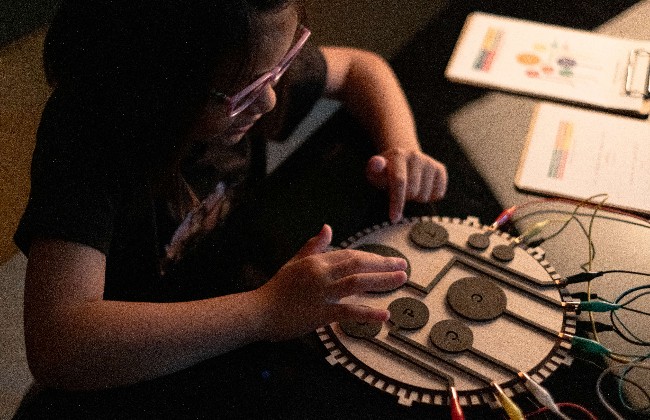
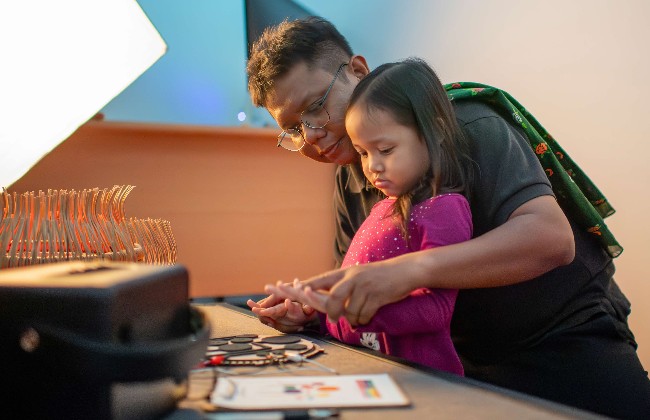
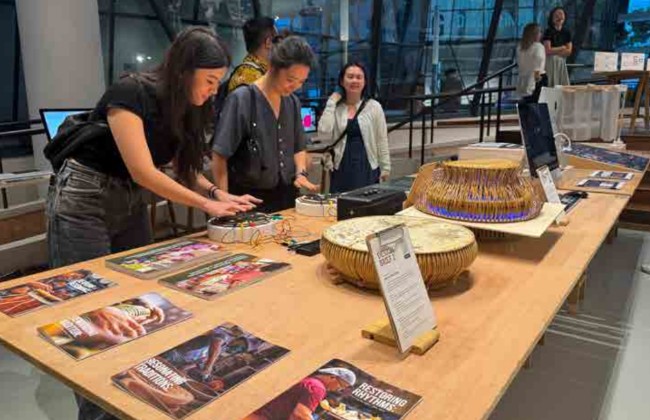
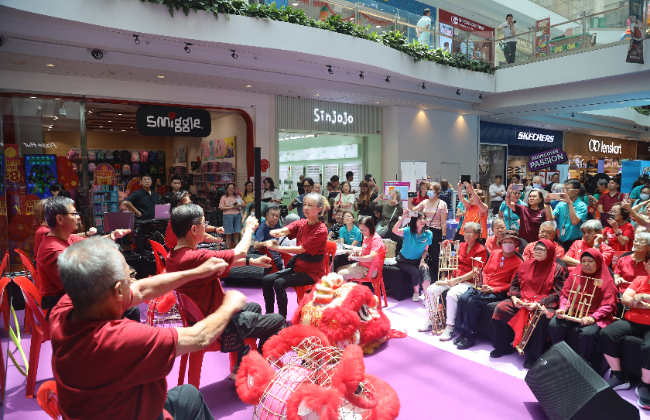
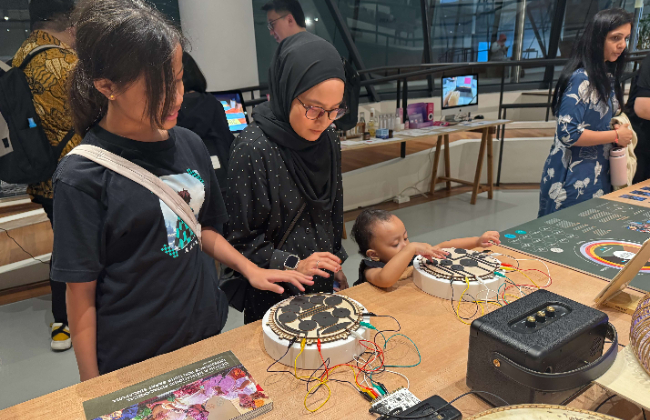
Hairul is a multidisciplinary designer and co-founder of B.RU Collective, exploring Malay cultural traditions through design and technology. At London Craft Week, he presents an interactive workshop on Dikir Barat using tools like the Rebana Rhythm Board to translate traditional rhythms into engaging, participatory learning experience for contemporary audiences.
About
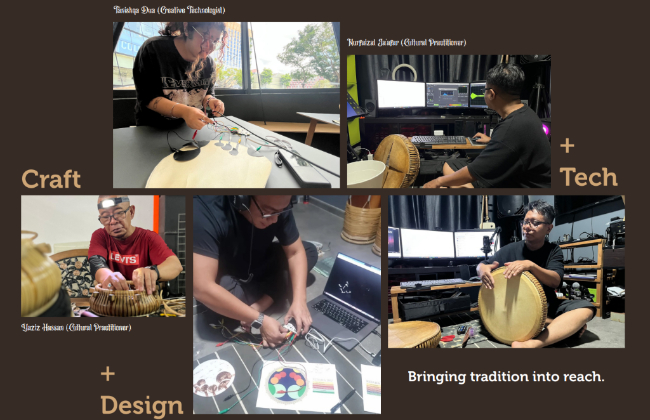
Hairul is a multidisciplinary designer, researcher, and cultural practitioner whose work bridges traditional heritage with contemporary creative technologies. As a co-founder of B.RU Collective, Hairul works at the intersection of culture, design, storytelling, collaborating with communities and institutions on projects that explore identity, memory, and place.
His practice is deeply rooted in Malay Cultural traditions, with a focus on Dikir Barat – a performative art form shaped by rhythm, poetry, and collective expression. Through ethnographic research, co-creation workshops and experimental prototyping, Hairul develops tools and systems that support intergenerational knowledge transfer, making traditional practices more accessible and engaging for younger audience.
At London Craft Week, Hairul presents an interactive workshop that introduces participants to the rhythms and structures of Dikir Barat through hands-on and digital engagement. Using prototypes such as the Rebana Rhythm Board and audio-visual interfaces, the session translates traditional drum patterns into intuitive, immersive experiences.
Through this workshop, Hairul offers a contemporary approach to heritage, one that is participatory, adaptive, and rooted in community, demonstrating how traditional practices can be sustained and reimagined through creative technology.